
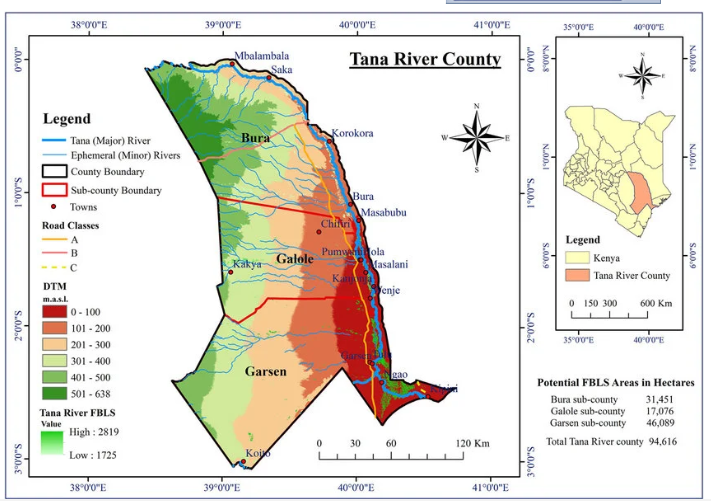
1. Basic Identity
Official name: County Government of Tana River
County code: 004
County headquarters: Hola
Region: Coast Region (formerly Coast Province)
Area: Approximately 38,437 square kilometres.
2019 population: 315,943 people comprising 158,550 males, 157,391 females and 2 intersex persons, according to the Kenya National Bureau of Statistics (KNBS).
Tana River County is located in Kenya’s Coast Region and derives its name from the Tana River, Kenya’s longest river, which flows through the county before emptying into the Indian Ocean at the Tana Delta.
The county borders Garissa County to the north-east, Isiolo County to the north-west, Kitui County to the west, Lamu County to the south-east and Kilifi County to the south. It also has access to the Indian Ocean through the Tana Delta and Kipini area.
Tana River is one of Kenya’s largest counties by geographical area but has a relatively small population compared with its vast landmass. Much of the county is characterised by arid and semi-arid conditions, while the Tana River valley and delta support agriculture, livestock, fisheries and rich ecosystems.
The county has a distinctive geographical duality. Communities living along the river benefit from fertile soils and irrigation opportunities, while large parts of the interior experience recurrent drought, water shortages and limited access to infrastructure.
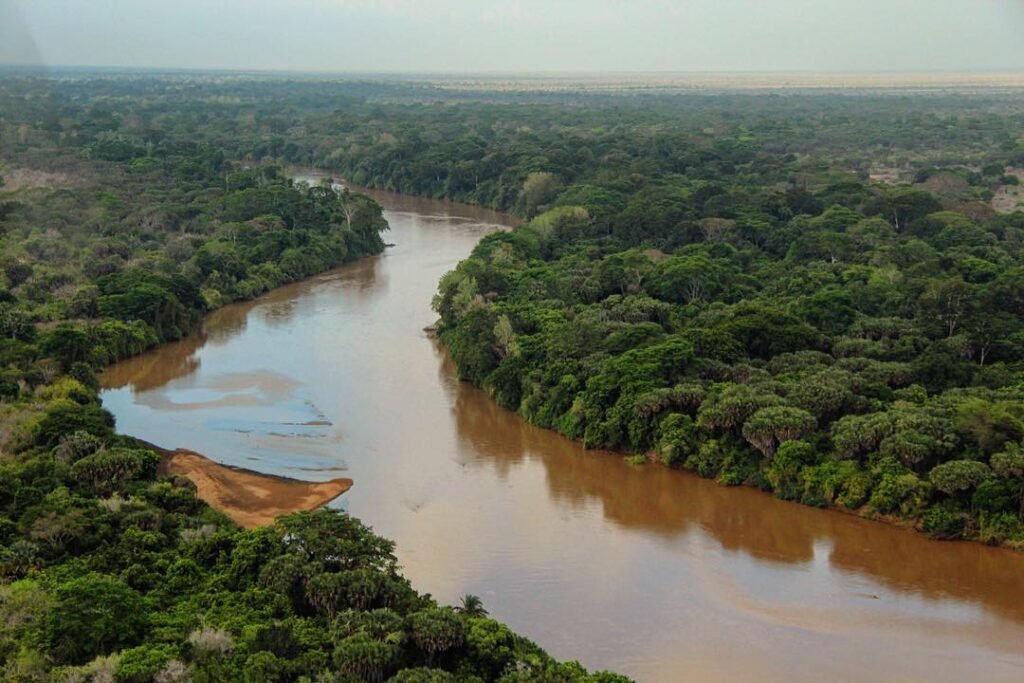
The Tana River is therefore the county’s most important natural resource. It supports agriculture, livestock, fisheries, wildlife habitats, domestic water supplies and several economic activities.
Tana River is also home to internationally significant ecological systems, including the Tana River Delta, a Ramsar-recognised wetland of international importance, and the Tana River Primate National Reserve, which protects rare and endemic primate species.
2. Political and Administrative Structure
Tana River County is divided into 3 parliamentary constituencies and 15 electoral wards.
A. Garsen Constituency – 6 Wards
- Kipini East
- Garsen South
- Kipini West
- Garsen Central
- Garsen West
- Garsen North
B. Galole Constituency – 4 Wards
- Kinakomba
- Mikinduni
- Chewani
- Wayu
C. Bura Constituency – 5 Wards
- Chewele
- Hirimani
- Bangale
- Sala
- Madogo
Total: 3 constituencies and 15 wards.
Administratively, Tana River operates through the county government alongside the national government administrative structure.
The county government is responsible for devolved functions including county health services, agriculture, local infrastructure, markets, urban and spatial planning, water services assigned under county functions and other responsibilities provided for under the Constitution.
National government functions, including security and national administration, are coordinated through the County Commissioner and the national administrative structure comprising sub-counties, divisions, locations and sub-locations.
The county’s large geographical size and dispersed settlements make service delivery particularly challenging. Long distances between population centres, poor road connectivity and seasonal flooding can make access to government services difficult in some areas.
3. Current Political Leadership

| Position | Office Holder |
|---|---|
| Governor | Maj. (Rtd) Dr. Dhadho Gaddae Godhana |
| Deputy Governor | Hon. Mahad Ali |
| Senator | Hon. Danson Buya Mungatana |
| Woman Representative | Hon. Amina Dika Abdullahi |
Maj. (Rtd) Dr. Dhadho Gaddae Godhana became governor of Tana River County in 2017 and retained the position after winning the 2022 General Election.
Before becoming governor, Godhana served in national politics and held various public responsibilities. His administration has focused on economic transformation, agriculture, infrastructure, urban development, health services, water provision and investment attraction.
Senator Danson Buya Mungatana represents Tana River County in the Senate, while Amina Dika Abdullahi serves as the elected Woman Representative in the National Assembly.
Tana River politics are strongly influenced by issues surrounding land, water, pastoralism, agriculture, irrigation, drought, development and relations between different ethnic communities.
4. Members of Parliament
| Constituency | Member of Parliament | Party |
|---|---|---|
| Garsen | Ali Guyo Wario | ODM |
| Galole | Said Hiribae Buya | ODM |
| Bura | Yakub Kuno Adow | UPIA |
Tana River’s parliamentary representation reflects the county’s competitive political environment and the importance of local and regional interests in electoral politics.
Political debates in the county frequently focus on agricultural development, irrigation, roads, water, pastoralist livelihoods, land ownership, education, healthcare and employment opportunities for young people.
5. Economy and Gross County Product
Tana River has a predominantly rural and natural-resource-based economy, with agriculture, livestock, fisheries, public services and trade forming major components of economic activity.
The county’s economy is strongly influenced by the Tana River, which creates productive agricultural zones within an otherwise largely arid and semi-arid landscape.
Tana River’s Gross County Product
| Indicator | Estimate |
|---|---|
| Recent Gross County Product | KSh 64.9 billion |
| Earlier baseline estimate | KSh 43.3 billion |
| Recent annual GCP growth trajectory | Approximately 7.6–8.4% |
Source: KNBS Gross County Product series and economic assessments.
Tana River remains a relatively small contributor to Kenya’s total economic output, but its economy has recorded significant growth from a low base.
The county’s economic structure differs substantially from highly urbanised counties such as Nairobi and Mombasa. Agriculture, livestock, public services and informal economic activities remain central to household livelihoods.
The Economic Structure
Tana River’s major economic pillars include:
- Agriculture and irrigation
- Livestock production
- Fisheries
- Wholesale and retail trade
- Agro-processing
- Public services
- Transport and logistics
- Tourism and conservation
- Mining and mineral extraction
- Small-scale businesses
Agriculture and non-market public services account for a substantial share of the county’s economic activity. Wholesale and retail trade also provide employment and income for many households.
The county’s strategic opportunity lies in transforming its agricultural and livestock resources through irrigation, value addition, processing, improved transport networks and access to regional markets.
6. Agriculture: Sustaining Tana River’s Economy
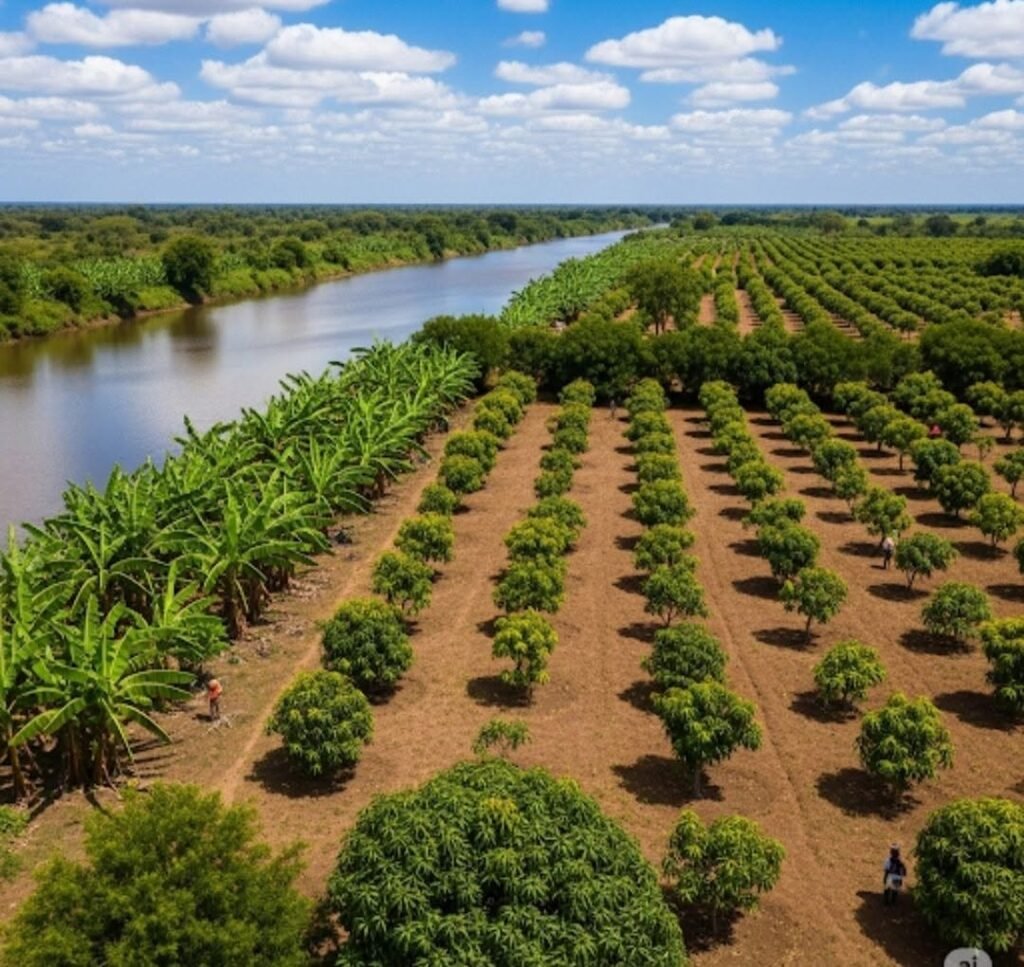
Agriculture is one of the most important economic activities in Tana River County, particularly along the fertile Tana River valley and irrigation schemes.
The contrast between the county’s dry climate and the availability of river water makes irrigation particularly important to agricultural production.
Major Agricultural Activities
- Rice farming
- Maize production
- Cotton production
- Banana farming
- Mango production
- Horticulture
- Cassava production
- Sugarcane
- Sunflower
- Soybean production
The Bura Irrigation Scheme and Tana Irrigation Scheme are among the most important agricultural development areas in the county.
Rice, maize, cotton, bananas and horticultural crops are particularly important in irrigated and riverine areas.
Agricultural investment has increasingly focused on commercial production and value addition. Private-sector investment has also expanded interest in crops such as sugarcane, sunflower and soybean.
Irrigation provides an opportunity to reduce the county’s dependence on increasingly unpredictable rainfall and improve food security and household incomes.
However, agricultural production remains vulnerable to flooding, drought, pests, inadequate infrastructure, limited access to finance and challenges in transporting produce to markets.
7. Livestock and Fisheries
Livestock keeping is a major livelihood activity in Tana River County, particularly in the county’s arid and semi-arid areas.
Pastoralism is particularly important among communities living away from the riverine agricultural zones.
Major Livestock Enterprises
- Cattle
- Goats
- Sheep
- Camels
- Poultry
- Donkeys
Cattle, goats, sheep and camels provide meat, milk, income and household wealth. The Orma Boran cattle breed is particularly associated with the county’s pastoral economy.
Livestock production is closely linked to the availability of pasture and water. During prolonged droughts, pastoralists may travel considerable distances in search of water and grazing land.
The county’s livestock sector therefore remains highly vulnerable to climate variability.
Fisheries and the Blue Economy
Tana River’s freshwater and coastal ecosystems also support fisheries.
Fishing activities take place along the Tana River, its associated wetlands and the coastal areas around the Tana Delta and Kipini.
Fish provides both food and income, while fish traders, processors and transporters form part of the wider fisheries value chain.
The county’s location where the Tana River meets the Indian Ocean also creates opportunities for marine and freshwater aquaculture, sustainable fishing, fish processing and other blue economy activities.
Improved cold storage, landing facilities, transportation and fish-processing infrastructure could increase the value generated from fisheries.
8. Key Industries
Tana River does not have the large industrial base associated with Mombasa or Nairobi, but it has significant potential for agro-processing, livestock value addition, mining, tourism and renewable-resource-based industries.
Major Industries and Economic Activities Include
- Agricultural production
- Rice milling
- Cotton production and ginning
- Livestock trade
- Meat and dairy processing
- Fisheries and fish processing
- Agro-processing
- Mining and mineral extraction
- Wholesale and retail trade
- Transport and logistics
- Tourism and hospitality
- Small-scale manufacturing
Agro-processing
Agricultural value addition represents one of Tana River’s greatest industrial opportunities.
Rice milling, cotton ginning, fruit processing, edible oil production and other agro-processing activities could help farmers earn more from their produce while creating employment outside primary agriculture.
The expansion of commercial agriculture has also increased interest in processing facilities for crops such as sugarcane, sunflower and soybean.
Mining and Extraction
Tana River also has mineral-resource potential. Gypsum deposits have attracted commercial interest because gypsum is an important input in cement and construction industries.
Other mineral resources, including iron ore and construction materials, have also been identified as areas of potential investment, although environmental sustainability and proper regulation remain important considerations.
Trade and Transport
Wholesale and retail trade is particularly important in towns such as Hola, Garsen, Bura and Madogo.
Livestock, agricultural produce, food products and consumer goods move through the county’s trading centres, connecting rural communities with larger markets in Garissa, Mombasa, Kilifi, Lamu and other parts of Kenya.
9. Population
The 2019 Kenya Population and Housing Census recorded Tana River County’s population at 315,943 people.
Population Composition
| Category | Population |
|---|---|
| Male | 158,550 |
| Female | 157,391 |
| Intersex | 2 |
| Total | 315,943 |
Source: Kenya National Bureau of Statistics (KNBS), 2019 Kenya Population and Housing Census.
Despite covering approximately 38,437 square kilometres, Tana River has a relatively small population, resulting in a low overall population density compared with many Kenyan counties.
Population distribution is highly uneven. Communities are concentrated around the Tana River, irrigation schemes, trading centres and areas with reliable access to water.
Major Communities
The county has a culturally diverse population that includes:
- Pokomo
- Orma
- Wardey
- Somali communities
- Other Kenyan communities
The Pokomo are historically associated with agriculture and settlements along the Tana River, while the Orma and other pastoralist communities have traditionally depended heavily on livestock production in the drier areas.
The interaction between farming and pastoralism has made land, water and grazing resources important issues in the county’s social and political landscape.
Tana River’s population is also relatively youthful, creating both an opportunity for economic development and a challenge in terms of employment, education and skills development.
Rapid climatic changes and recurring droughts and floods continue to affect settlement patterns, livelihoods and household security.
10. Education and School Enrolment
Education remains a major development priority in Tana River because the county faces significant challenges associated with poverty, long distances to schools, inadequate infrastructure, early marriage, pastoralist mobility and limited access to secondary education.
The county has public and private primary and secondary schools, Early Childhood Development Education centres, vocational institutions and tertiary education facilities.
Education Indicators
| Indicator | Estimate |
|---|---|
| Primary gross enrolment | Approximately 73–76.5% |
| Youth aged 14–17 outside school | Approximately 33% |
| Youth aged 18–34 | More than 51% of the workforce-age population |
Education access is particularly difficult in remote pastoralist settlements, where families may move in search of pasture and water.
Poverty also affects school attendance because households may struggle to meet the costs associated with uniforms, learning materials, transport and other school requirements.
Major Education Challenges
- Low transition from primary to secondary school
- Long distances to schools
- Inadequate school infrastructure
- Teacher shortages
- Early marriages
- Household poverty
- Pastoralist mobility
- Flooding and poor roads
- Limited access to technical training
The county government and national government have invested in ECDE, school infrastructure, bursaries, vocational education and other programmes aimed at improving education access.
Technical and Vocational Training
TVET institutions are increasingly important in providing practical skills in agriculture, construction, mechanics, hospitality, business and other trades.
Expanding vocational education could help address youth unemployment while providing skilled labour for the county’s emerging agricultural, tourism, construction and industrial sectors.
11. Health Infrastructure
Healthcare remains an important development priority in Tana River because the county’s large geographical area and dispersed population make access to medical services difficult in many rural areas.
Major Referral Hospital
Hola County Referral Hospital
Hola County Referral Hospital is the principal public referral facility in Tana River County.
The hospital provides services including:
- Emergency care
- Maternity services
- Surgical services
- Diagnostic services
- Outpatient services
- Maternal and child healthcare
- Specialist clinics
- Inpatient care
The facility serves patients from Hola and surrounding areas while also providing referral services for patients from more remote parts of the county.
Other Major Public Health Facilities
- Bura Sub-County Hospital
- Garsen Sub-County Hospital/Health Centre
- Madogo Health Centre
- Other health centres and dispensaries across the county
Healthcare access is affected by long distances, poor road conditions, seasonal flooding and shortages of specialised medical personnel.
Maternal and child health, infectious diseases, malnutrition, water-related illnesses and the effects of drought remain important public-health concerns.
Strengthening mobile health services, community health programmes, ambulance networks and rural health facilities remains important for improving healthcare access across the county.
12. Tourism Sector
Tourism in Tana River County is based primarily on its exceptional biodiversity, riverine ecosystems, wildlife, cultural heritage and the meeting point between freshwater and the Indian Ocean.
Unlike Kenya’s better-known coastal tourism destinations, Tana River offers a largely undeveloped eco-tourism experience centred on wetlands, wildlife, community conservation and cultural heritage.
Major Tourism Attractions
A. Tana River Delta
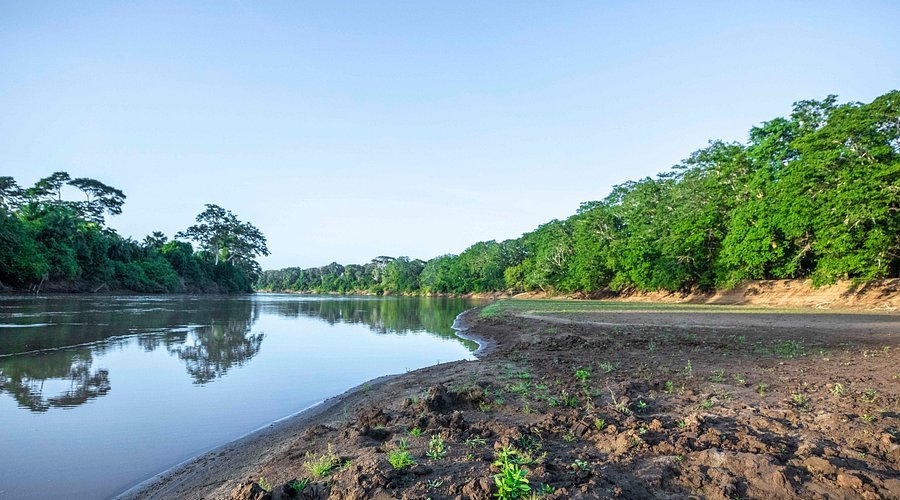
The Tana River Delta is one of Tana River County’s most important tourism and conservation assets.
The delta is recognised as a wetland of international importance under the Ramsar Convention.
The ecosystem contains river channels, wetlands, floodplains, lakes, mangroves and coastal habitats that support a remarkable variety of wildlife and bird species.
The delta is particularly important for birdwatching and nature tourism and provides habitat for hundreds of bird species, marine species and other wildlife.
Its location between the river system and the Indian Ocean creates a distinctive ecosystem with significant potential for eco-tourism, research and conservation-based tourism.
B. Tana River Primate National Reserve
The Tana River Primate National Reserve protects important riverine forests and some of Kenya’s rarest primates.
The reserve is particularly famous for the endangered Tana River red colobus and Tana River mangabey, species that are closely associated with the Tana River ecosystem.
The reserve has significant potential for wildlife tourism, conservation research, ecological education and specialised nature tourism.
C. Kipini Conservation Area
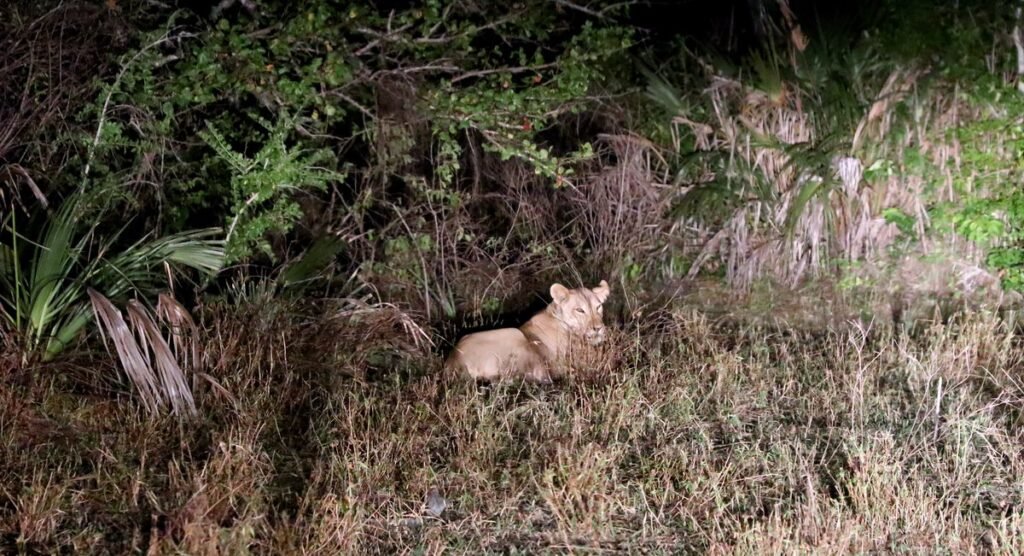
Kipini is located near the point where the Tana River reaches the Indian Ocean.
The area combines riverine ecosystems, coastal landscapes, beaches and wildlife habitats.
Kipini also has cultural and historical significance because of its association with centuries of coastal interaction and Swahili-Arab trade.
Its combination of freshwater and marine environments gives the area considerable potential for eco-tourism, cultural tourism, sport fishing and community-based tourism.
Other Tourism Opportunities
- Birdwatching
- Sport fishing
- Boat excursions
- Wildlife viewing
- Cultural tourism
- Community conservancies
- River tourism
- Coastal tourism
- Historical and archaeological tourism
- Research and educational tourism
Tourism Development Challenges
Despite its considerable tourism potential, Tana River remains one of Kenya’s less-developed tourism destinations.
Major challenges include:
- Poor all-weather road networks
- Seasonal flooding
- Limited tourist accommodation
- Inadequate tourism infrastructure
- Limited marketing
- Long distances between attractions
- Insufficient investment
- Limited access to specialised tourism services
Improving roads, accommodation, conservation infrastructure, visitor facilities and tourism marketing could help transform the sector into a major source of employment and local revenue.
Investment Potential
The county has opportunities for private-sector and community investment in eco-lodges, conservancies, cultural tourism facilities, river excursions, sport fishing, birdwatching facilities and specialised wildlife tourism.
Community-based tourism could be particularly valuable because it allows local communities to benefit directly from conservation and tourism revenues.
12. Key Personalities Associated with Tana River
Tana River County has produced and been associated with political leaders, administrators, community figures and cultural personalities who have contributed to the county’s development and national affairs.
Political and Public Leadership
Maj. (Rtd) Dr. Dhadho Gaddae Godhana
Dhadho Godhana is the current Governor of Tana River County. A former military officer and national politician, he has been involved in both national and county-level public administration. His county leadership agenda has focused on infrastructure, agricultural development, livestock production, water access, healthcare and economic transformation.
Hon. Danson Buya Mungatana
Danson Mungatana is a prominent politician and lawyer associated with Tana River politics. He previously represented Garsen Constituency in Parliament and has served in national government. He has remained an influential figure in Coast and Tana River political affairs.
Hussein Dado
Hussein Dado was the first Governor of Tana River County after the introduction of devolved government in 2013. Before entering county leadership, he had served in the national administration and diplomatic service. His tenure marked the establishment of the county’s first devolved government structures.
Community and Cultural Leadership
Tana River’s diverse communities have traditionally relied on elders, religious leaders, community organisations and cultural institutions to support peacebuilding and resource management.
Community leadership is particularly important because pastoralist and farming communities depend on shared access to water, grazing land, agricultural land and the Tana River ecosystem.
Traditional leaders and community organisations have therefore played an important role in conflict resolution, cultural preservation and environmental conservation.
13. Tourism Sector
Tourism in Tana River County is primarily based on its exceptional riverine, wetland, wildlife and coastal ecosystems. Unlike neighbouring Mombasa and Kilifi, which have developed large-scale beach tourism industries, Tana River’s tourism potential is concentrated largely around eco-tourism, wildlife conservation, birdwatching, cultural tourism and adventure tourism.
Major Tourism Attractions
Tana River Delta
The Tana River Delta is one of the county’s most important tourism and conservation assets. The delta is a complex wetland ecosystem where the Tana River divides into numerous channels before reaching the Indian Ocean.
The area contains wetlands, grasslands, mangrove ecosystems, forests, lakes and river channels that support a wide range of wildlife and bird species.
The delta is particularly important for birdwatching, with hundreds of bird species recorded in the wider ecosystem.
It also supports fish, reptiles, hippos and other wildlife while providing important livelihoods for surrounding communities.
The ecological importance of the delta has resulted in its recognition as a Ramsar Site, placing it among wetlands of international importance.
Tana River Primate National Reserve
The Tana River Primate National Reserve protects riverine forests that provide habitat for some of Kenya’s rarest primates.
The reserve is particularly famous for the Tana River red colobus and the Tana River mangabey, both of which are highly restricted in their natural distribution.
The reserve therefore has significant potential for wildlife tourism, scientific research, conservation education and specialist ecological tourism.
Kipini and the Tana River Mouth
Kipini is located near the point where the Tana River reaches the Indian Ocean.
The area offers an unusual combination of riverine and coastal landscapes, including beaches, estuarine environments, mangrove ecosystems and fishing communities.
Its location provides opportunities for eco-tourism, sport fishing, cultural tourism, birdwatching and coastal recreation.
Kipini and surrounding areas also contain historical and cultural features associated with the long history of trade and settlement along the Kenyan coast.
Cultural Tourism
Tana River’s cultural diversity provides another tourism opportunity.
The county is home to communities including the Pokomo, Orma, Wardey and Somali, among others. Their traditional foods, clothing, music, dances, crafts and pastoral and agricultural practices provide opportunities for community-based cultural tourism.
Cultural festivals can also promote interaction between communities while creating markets for local artists, craft producers, food vendors and performers.
Tourism Development Challenges
Despite its considerable tourism potential, Tana River remains one of Kenya’s less-developed tourism destinations.
Major challenges include:
- Poor road accessibility
- Seasonal flooding
- Limited accommodation facilities
- Inadequate tourism infrastructure
- Limited marketing and promotion
- Insufficient visitor facilities
- Conservation pressures
- Limited private-sector investment
Flooding can make some tourism destinations difficult to access during certain periods of the year, while long distances between major settlements and attractions increase transport costs.
Tourism Investment Opportunities
The county has considerable potential for investment in:
- Eco-lodges
- Community conservancies
- Birdwatching facilities
- Wildlife tourism
- Sport fishing
- Boat excursions
- Cultural tourism centres
- Camping facilities
- Nature trails
- Research and conservation tourism
With improved roads, security, accommodation and destination marketing, tourism could become a more significant contributor to the county economy.
14. Environment and Natural Resources
Tana River County’s environment is dominated by the Tana River Basin, extensive semi-arid landscapes, wetlands, riverine forests and the coastal ecosystem around the delta.
The Tana River is the county’s most important natural resource and supports agriculture, livestock, fisheries, domestic water supplies, wildlife and tourism.
The Tana River
The river provides water for irrigation schemes and agricultural communities while supporting fishing and livestock production.
It also sustains important ecological habitats along its course.
However, communities living near the river face a recurring combination of drought and flooding.
During periods of heavy rainfall upstream, increased river flows can cause destructive flooding, while prolonged dry periods can reduce water availability and agricultural productivity.
Natural Resource Management
The county faces several environmental challenges, including:
- Deforestation
- Riverbank degradation
- Overgrazing
- Drought
- Flooding
- Soil erosion
- Wetland degradation
- Human-wildlife conflict
- Climate change
Conservation initiatives therefore need to balance environmental protection with the economic needs of farming and pastoral communities.
15. Infrastructure and Transport
Tana River’s large geographical area and relatively low population density make infrastructure development particularly important.
The county is connected to neighbouring counties through major road corridors linking Hola, Garsen, Bura, Madogo, Garissa, Lamu and Kilifi.
Road transport remains the principal means of movement for people and goods.
Major Infrastructure Priorities
The county’s infrastructure needs include:
- Road construction and rehabilitation
- Bridges and river crossings
- Water infrastructure
- Electricity connections
- Irrigation infrastructure
- Markets
- Storage facilities
- Digital connectivity
- Flood-control infrastructure
Improved infrastructure would reduce transportation costs and make it easier for farmers and livestock producers to access markets.
Better connectivity would also improve access to healthcare, education and tourism destinations.
16. Agriculture and Irrigation
Agriculture is one of the most important economic activities in Tana River County.
The Tana River provides an important source of irrigation water, allowing agricultural production in an otherwise largely semi-arid environment.
Major Agricultural Activities
Key crops include:
- Rice
- Maize
- Mangoes
- Bananas
- Cotton
- Cassava
- Vegetables
- Horticultural crops
The Bura Irrigation Scheme and other irrigation initiatives demonstrate the potential for large-scale agricultural production in the county.
Agriculture also supports food processing, transportation, trading and informal employment.
Agricultural Opportunities
The county has potential for expansion in:
- Irrigated agriculture
- Fruit processing
- Rice milling
- Cotton processing
- Oilseed production
- Livestock feed production
- Cold storage
- Agro-processing
Investment in irrigation, storage and value addition could increase farmer incomes while reducing post-harvest losses.
17. Livestock and Pastoralism
Livestock keeping is central to the livelihoods of many households, particularly in the drier parts of Tana River County.
Pastoralist communities keep livestock as a source of food, income, wealth and social security.
Major Livestock Species
- Cattle
- Goats
- Sheep
- Camels
- Donkeys
- Poultry
Cattle and goats are particularly important, while camels are well adapted to the county’s dry environments.
Livestock markets connect producers to urban centres in the Coast region and neighbouring counties.
Challenges Facing Pastoralists
Pastoralism is affected by:
- Drought
- Water shortages
- Pasture depletion
- Livestock diseases
- Market access
- Human-wildlife conflict
- Competition over grazing and water resources
Development of water pans, livestock markets, veterinary services, disease-control programmes and livestock value chains could strengthen the sector.
18. Education and Human Capital
Education remains a major development priority in Tana River County.
The county has historically experienced lower education outcomes than many parts of Kenya because of poverty, long distances to schools, pastoral mobility, inadequate infrastructure and social factors affecting school attendance.
Major Education Challenges
- Low transition to secondary education
- School dropout
- Long distances to schools
- Teacher shortages
- Inadequate learning facilities
- Early marriage
- Child labour
- Household poverty
- Pastoral mobility
Government and development partners have supported interventions aimed at increasing enrolment, improving school infrastructure and supporting vulnerable learners.
Technical and Vocational Education
TVET institutions provide an opportunity to equip young people with practical skills in areas such as construction, mechanics, agriculture, ICT, hospitality and entrepreneurship.
Strengthening vocational education could help address youth unemployment and provide workers for emerging agricultural, infrastructure and service-sector industries.
19. Healthcare Infrastructure
Healthcare delivery in Tana River is provided through a network of county hospitals, sub-county hospitals, health centres and dispensaries.
Major Health Facilities
- Hola County Referral Hospital
- Bura Sub-County Hospital
- Garsen health facilities
- Madogo Health Centre
- Other county health centres and dispensaries
Hola County Referral Hospital serves as an important referral facility for the county and provides services including emergency care, maternity services, surgery and specialist outpatient services.
Major Health Challenges
The county continues to face challenges associated with:
- Long distances to health facilities
- Shortages of medical personnel
- Maternal and child health needs
- Water and sanitation challenges
- Communicable diseases
- Malnutrition
- Limited specialist services
Improving rural health infrastructure and strengthening ambulance and referral systems remain important priorities.
20. Tana River County at a Glance
Tana River is one of Kenya’s most geographically distinctive counties.
Its development is strongly shaped by the Tana River, which simultaneously provides water, supports agriculture and livestock, sustains ecosystems and creates vulnerability to flooding.
The county’s economy is built around several major sectors:
- Agriculture and irrigation
- Livestock and pastoralism
- Trade and informal commerce
- Fisheries
- Tourism and conservation
- Public services
- Emerging agro-processing industries
Tana River’s greatest economic opportunities lie in agricultural value addition, irrigation, livestock development, tourism, fisheries, renewable energy and conservation.
At the same time, poverty, climate variability, infrastructure gaps, limited access to education and healthcare, and conflicts over natural resources remain significant development challenges.
The county’s unique combination of riverine ecosystems, pastoral landscapes, agricultural potential, cultural diversity and coastal wetlands gives it considerable long-term development potential.
21. References
- Kenya National Bureau of Statistics (KNBS). 2019 Kenya Population and Housing Census.
https://www.knbs.or.ke/ - Kenya National Bureau of Statistics (KNBS). Gross County Product Reports.
https://www.knbs.or.ke/ - County Government of Tana River. Official County Government Website.
https://tanariver.go.ke/ - County Government of Tana River. County Integrated Development Plans and Development Reports.
https://tanariver.go.ke/ - Council of Governors – Kenya. Maarifa Centre: Tana River County Information.
https://maarifa.cog.go.ke/ - Independent Electoral and Boundaries Commission (IEBC). Election Results and Electoral Boundaries.
https://www.iebc.or.ke/ - Parliament of Kenya. Members of Parliament and Parliamentary Information.
https://www.parliament.go.ke/ - Senate of Kenya. Senators and County Representation.
https://www.parliament.go.ke/senate - Kenya Wildlife Service (KWS). Tana River Primate National Reserve and Wildlife Conservation Information.
https://www.kws.go.ke/ - Ramsar Convention Secretariat. Tana River Delta – Wetlands of International Importance.
https://www.ramsar.org/ - Kenya Institute for Public Policy Research and Analysis (KIPPRA). County Economic and Labour Productivity Studies.
https://kippra.or.ke/ - Kenya Medical Practitioners and Dentists Council (KMPDC). Licensed Health Facilities Register.
https://kmpdc.go.ke/ - Ministry of Health, Kenya. Health Sector Information and County Health Data.
https://www.health.go.ke/ - Ministry of Education, Kenya. Education Statistics and Policy Information.
https://www.education.go.ke/ - Infotrak Research and Consulting. Tana River County Profile.
https://countytrak.infotrakresearch.com/tana-river-county/ - Wikipedia. Tana River County.
https://en.wikipedia.org/wiki/Tana_River_County - Eastleigh Voice. Tana River and Marsabit Gross County Product Growth.
https://eastleighvoice.co.ke/national/105068/tana-river-marsabit-lead-in-gross-county-product-growth-outpacing-wealthier-counties - National Museums of Kenya. Coastal Heritage and Cultural Resources.
https://museums.or.ke/ - Kenya Tourism Board. Tourism Information and Destination Development.
https://ktb.go.ke/ - Kenya Maritime Authority. Maritime and Blue Economy Information.
https://kma.go.ke/


