
Northern Kenya is facing one of its most severe water and food crises in years, with counties in the North Eastern and wider ASAL regions reporting acute shortages, rising livestock deaths and growing humanitarian needs.
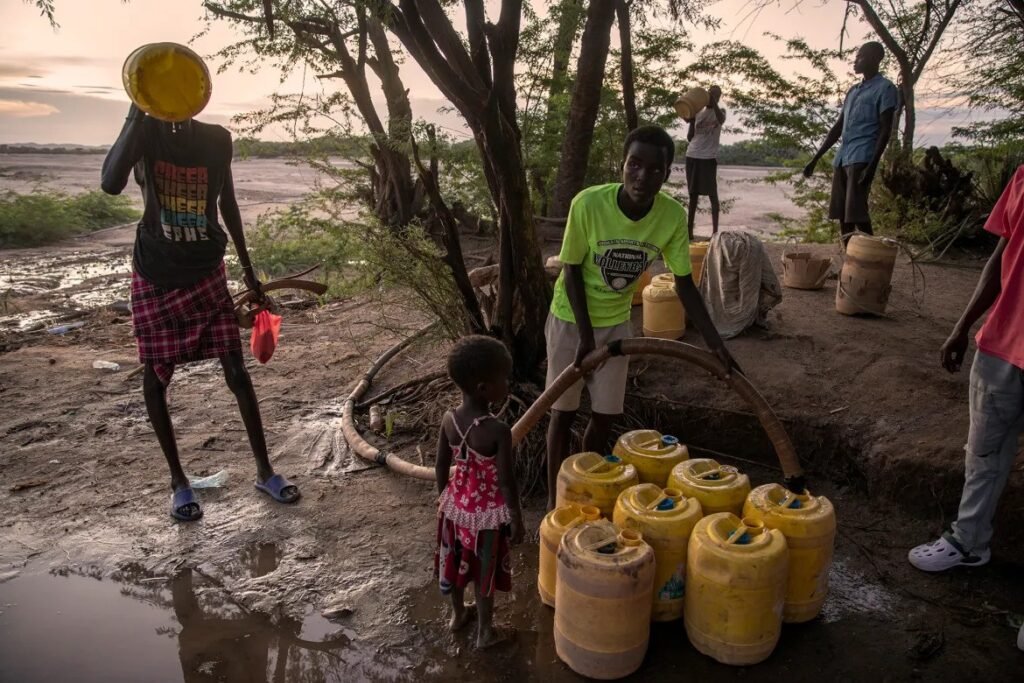
As of early 2026, Mandera, Wajir and parts of Garissa are at the centre of the emergency, raising questions about leadership response, funding priorities and coordination between county and national governments.
Mandera at ‘Alarm’ Level as Water Sources Fail
Mandera County remains the hardest hit. According to the National Drought Management Authority (NDMA), Mandera is the only county classified in the “Alarm” drought phase as of January 2026, the most severe category.
Rainfall during the October–December 2025 short rains reached only 30–60 per cent of normal levels, leading to widespread water source depletion. County data shows that over 335,000 residents now require urgent humanitarian assistance, with trekking distances to water points increasing from an average of 5 kilometres to more than 15 kilometres in some wards.
Governor Mohamed Khalif has pushed back against claims that county leadership alone is responsible for the crisis. “Those accusing counties should first look for the share of the trillions that remains with the national government,” Khalif said at a regional press briefing in January. “You cannot devolve responsibility without devolving sufficient resources.”

Livestock losses are accelerating. NDMA estimates indicate tens of thousands of goats and sheep have died across Mandera since mid-2025, while cattle body conditions have dropped below survival thresholds in several grazing zones.
Wajir and Garissa Mirror the Crisis
Wajir County is also under severe stress. NDMA data shows over 250,000 people in Wajir are food insecure, with boreholes breaking down faster than repairs can be funded. Non-functional water points now account for more than 35 per cent of the county’s rural water infrastructure.
In Garissa, riverine areas along the Tana have offered limited relief, but pastoral zones remain dry. County officials report rising malnutrition rates among children under five, with health facilities recording a 20–25 per cent increase in severe acute malnutrition cases compared to early 2025.
Despite receiving multi-billion-shilling annual budgets, both counties have faced persistent audit queries over stalled water projects, delayed borehole drilling and weak maintenance systems.
Funding Gaps, Governance and National Response
The crisis has exposed deeper governance challenges. Nationally, county pending bills stood at Sh177 billion by late 2025, with ASAL counties among those flagged for poor supplier payment records. Delayed payments have slowed emergency water trucking, borehole repairs and livestock off-take programmes.
At the national level, the government says it has scaled up response funding. President William Ruto recently stated that drought mitigation remains a priority, with billions allocated for relief food, water trucking and livestock insurance. However, humanitarian agencies warn that current funding covers only a fraction of need.
Aid officials estimate that across North Eastern Kenya, more than 1.2 million people may require food assistance by mid-2026 if rains fail again.
As the crisis deepens, residents and civil society groups are increasingly asking where political leadership is — and whether emergency response plans are matching the scale of the unfolding disaster in Kenya’s most vulnerable counties.

