
On June 9, the reality of Kenya’s tightening grip on intellectual property hit home for popular TikTok star and businesswoman, Shiquo wa Hii Style. In a swift, unannounced operation, enforcement officers descended upon her flagship store at RNG Plaza on Nairobi’s busy Ronald Ngala Street, seizing suspected counterfeit merchandise valued at an estimated KSh 15 million.
The high-profile raid targeted shelves stocked with footwear and apparel closely mimicking global brands, particularly sports giant Nike. While Shiquo’s business has built a massive online and physical following by offering trendy Chinese imports like KSh 1,500 sneakers to budget-conscious Kenyans, the law finally caught up with the hustle.
No arrests were made during the operation, but the massive haul has been moved to secure facilities for forensic analysis ahead of its expected destruction.
Reacting to the devastating hit, a visibly shaken Shiquo took to her platforms to urge fellow traders to take intellectual property laws seriously. “Let what happened to me be a lesson to others,” she shared, acknowledging that the business climate for selling lookalikes is rapidly changing.
The catalyst: Nike’s entry changes the rules
The timing of the raid is far from a coincidence. It comes directly in the wake of Nike opening its official flagship store in Nairobi, offering authentic merchandise that typically retails around KSh 19,000.
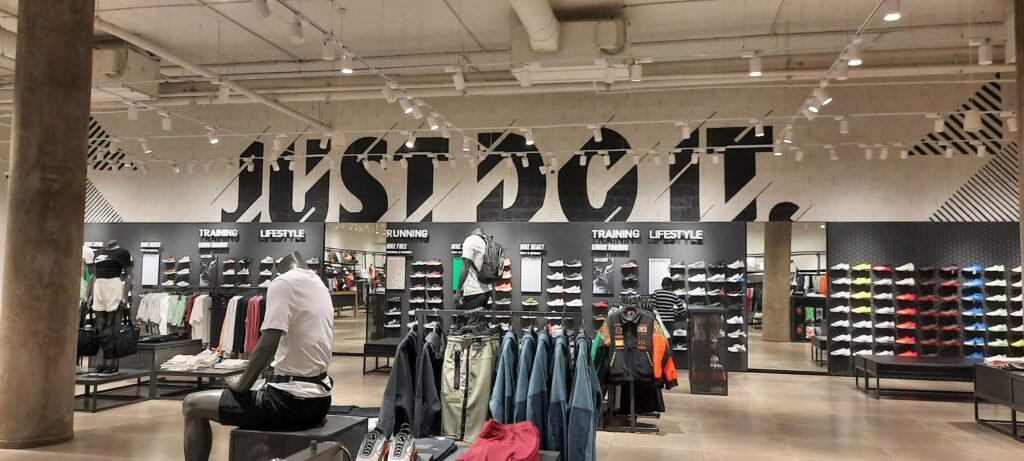
When major multinational brands invest heavily to set up official corporate footprints in Kenya, they demand strict market protection from the host government. The presence of a KSh 1,500 counterfeit down the street directly undermines a premium store selling the authentic version at KSh 19,000, creating an urgent mandate for enforcement agencies to act.
Who is the ACA, and How is Kenya Fighting Fakes?
The agency behind the raid is the Anti-Counterfeit Authority (ACA), established under the Anti-Counterfeit Act of 2008. The ACA is a state corporation operating under the Ministry of Investments, Trade and Industry. Its primary mandate is to enlighten the public on counterfeit matters, look out for intellectual property rights, and combat the trade of illicit goods.
Kenya’s strategy against fakes has grown increasingly sophisticated over the last few years, evolving from random market raids into a structured, tech-driven campaign.
1. The Recordation System
The ACA now enforces an Intellectual Property Rights (IPR) Recordation system. Under this rule, all importers must declare the brand names and intellectual property rights of the goods they are bringing into the country. If an importer attempts to bring in branded goods without the express authorization of the trademark owner (like Nike, Adidas, or Apple), the cargo is flagged at the port of entry.
2. Multi-Agency Collaboration
The war is no longer fought by the ACA alone. They operate under a multi-agency framework that includes:
- Kenya Revenue Authority (KRA): To track tax evasion on smuggled items.
- Kenya Bureau of Standards (KEBS): To ensure substandard, dangerous fakes don’t endanger lives.
- The Directorate of Criminal Investigations (DCI): Providing structural backing and forensic tracking for cartel-like distribution networks.
A Divided Public: Consumer Reality vs. The Law
The raid on Shiquo wa Hii Style has triggered a fierce debate across Kenyan social media space, highlighting a deep economic divide.
| The Legal & Economic Argument | The Consumer Reality Argument |
| Protecting Investment: Counterfeits deny legitimate brands profits and discourage foreign direct investment (FDI) in Kenya. | Unaffordable Authenticity: A vast majority of Kenyans cannot afford KSh 19,000 for official sneakers when minimum wage averages far less. |
| Tax Loss: The illicit economy operates largely in cash and bypasses standard corporate tax channels. | SME Survival: Thousands of small-scale traders rely on affordable imports to feed families and employ youth. |
| Quality Control: Counterfeit electronics and cosmetics pose serious safety and health risks to consumers. | Dignified Options: Budget-friendly lookalikes allow low-income earners to look trendy without breaking the bank. |
The Big Takeaway: While public sympathy often leans toward small traders providing affordable options for the masses, the ACA’s recent actions signal that Kenya is prioritizing its status as a secure, globally recognized investment hub. For TikTok sellers and CBD boutique owners, the era of openly trading fakes is facing its toughest hurdle yet.


