
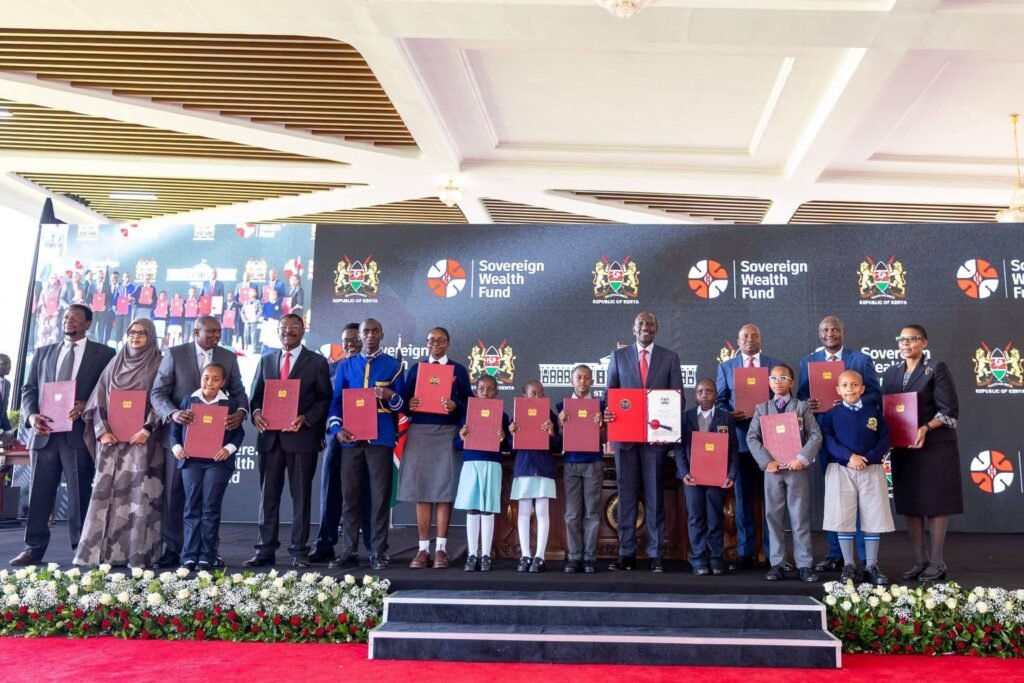
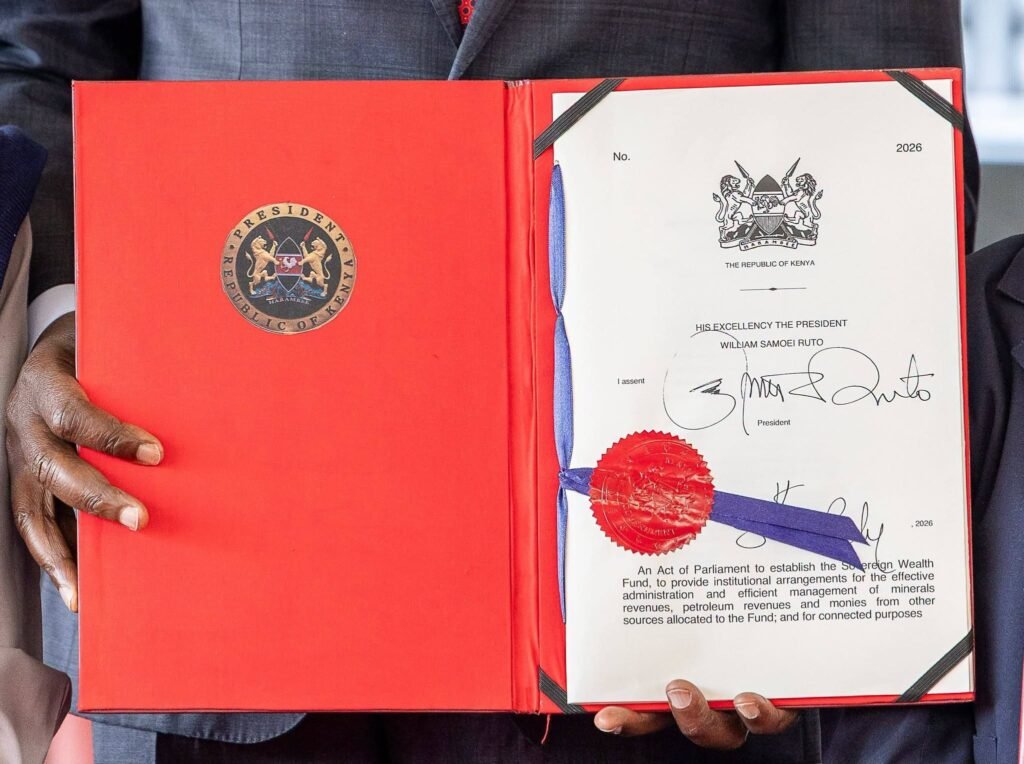
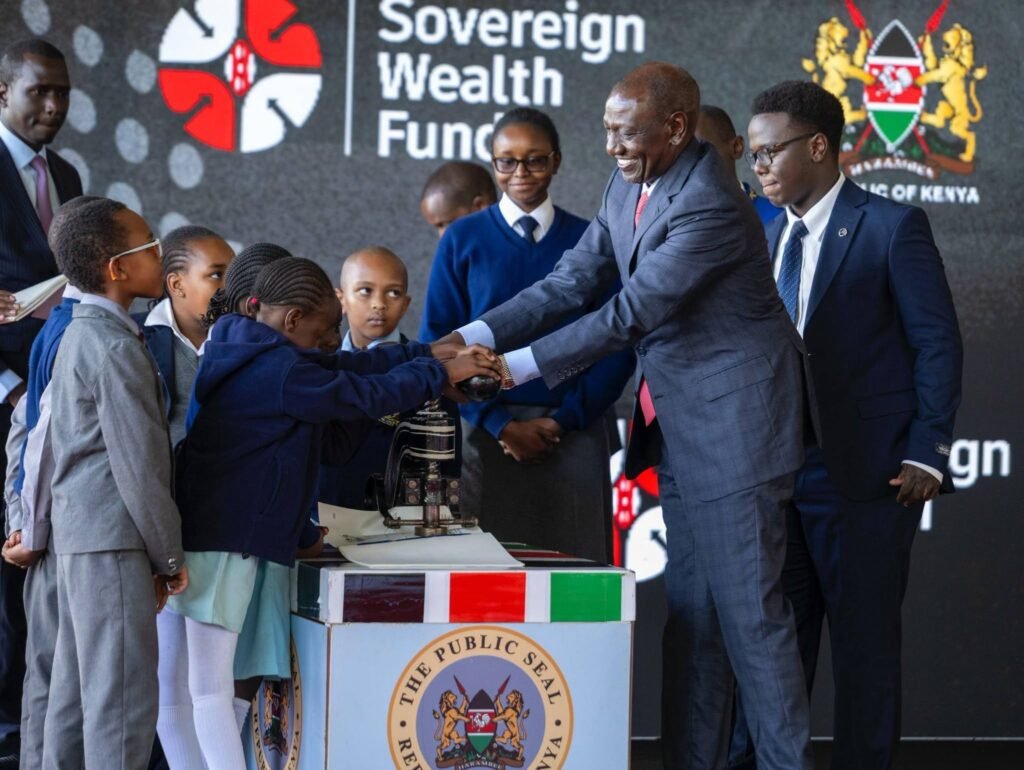
President William Ruto has signed the Sovereign Wealth Fund (SWF) Bill, 2026 into law, paving the way for the establishment of a national investment fund designed to protect Kenya’s economy, preserve wealth and finance long-term development.
The new law creates a legal framework for collecting, investing and managing selected public revenues for the benefit of both current and future generations. The government says the fund will help Kenya strengthen its financial resilience while reducing dependence on borrowing for strategic investments.
The Sovereign Wealth Fund is expected to operate alongside other government financing mechanisms to support infrastructure development, economic stability and intergenerational wealth creation.
What is a Sovereign Wealth Fund?
A sovereign wealth fund is a state-owned investment fund that manages surplus public resources by investing them in assets that generate long-term returns.
Many countries establish sovereign wealth funds to save revenues generated from natural resources such as oil, gas and minerals, or from government investments and privatisation proceeds. Rather than spending all available revenues immediately, governments invest part of the money to generate future income and cushion their economies during periods of financial uncertainty.
Globally, countries including Norway, the United Arab Emirates and Saudi Arabia have used sovereign wealth funds to build financial reserves and support long-term economic growth.
Where will Kenya’s fund get its money?
Under the new law, Kenya’s Sovereign Wealth Fund will draw resources from several sources.
These include revenues generated from mineral and petroleum resources, dividends earned from government investments and a portion of proceeds from the privatisation of public assets.
The government intends to invest these resources instead of using them solely for recurrent expenditure, allowing the fund to grow over time while supporting national development priorities.
Three funds with different roles
The legislation establishes three separate components within the Sovereign Wealth Fund, each serving a distinct purpose.
Stabilisation Fund
The Stabilisation Fund is designed to cushion the economy during periods of economic shocks or unexpected crises. It is expected to provide financial support during events such as global recessions, pandemics, fuel supply disruptions, commodity price volatility and other emergencies that may affect Kenya’s economy.
The objective is to help the government maintain economic stability without resorting to excessive borrowing during difficult periods.
Strategic Infrastructure Investment Fund
The second component is the Strategic Infrastructure Investment Fund, which will focus on financing major national development projects.
The fund is expected to mobilise both public and private capital to support investments in strategic infrastructure, helping bridge financing gaps while accelerating economic growth.
Future Generations Fund
The Future Generations Fund is intended to preserve wealth for Kenyans in the years ahead.
Unlike the other components, this fund will enjoy strict legal protections. The law prohibits borrowing against it, using it as collateral or exposing it to high-risk investments. These safeguards are intended to ensure that future generations benefit from today’s national resources.
Who will manage the fund?
The Sovereign Wealth Fund will be overseen by a board responsible for governance, investment decisions and overall management.
The board chairperson will be appointed by the President, while the Cabinet Secretaries responsible for the National Treasury, Mining and Petroleum will serve as members. Four additional members with relevant professional expertise will be competitively recruited.
Among its responsibilities, the board will determine investment strategies, oversee the management of the fund and ensure compliance with the law.
The legislation also restricts investments in speculative financial products, private equity ventures and other high-risk commercial investments to safeguard public resources.
Why does Kenya need a Sovereign Wealth Fund?
The government argues that the fund will help strengthen Kenya’s long-term economic position by building financial reserves that can be used during national emergencies and future development.
Instead of relying heavily on external borrowing, returns generated by the fund could support strategic investments while preserving national wealth.
Officials also say the fund will improve the management of revenues earned from natural resources and public investments by ensuring they generate long-term value rather than being consumed immediately.
How does it fit into Kenya’s development plans?
The Sovereign Wealth Fund will work alongside the National Infrastructure Fund as part of the government’s broader financing strategy.
Together, the two funds are expected to mobilise resources for infrastructure, industrial development and other priority sectors identified under Kenya’s long-term economic agenda.
President Ruto has previously indicated that the financing framework could support development projects valued at approximately Sh5 trillion over the next decade, although implementation will depend on available resources, investment performance and future government priorities.
With the legislation now in force, attention will shift to establishing the fund’s governing structures, appointing its board and operationalising the investment framework before the first contributions can be made.


