
Kenya’s Affordable Housing Programme (AHP) allows citizens to buy homes through the government-backed Boma Yangu platform. The initiative is part of the Bottom-Up Economic Transformation Agenda (BETA) and is anchored under the State Department for Housing and Urban Development.
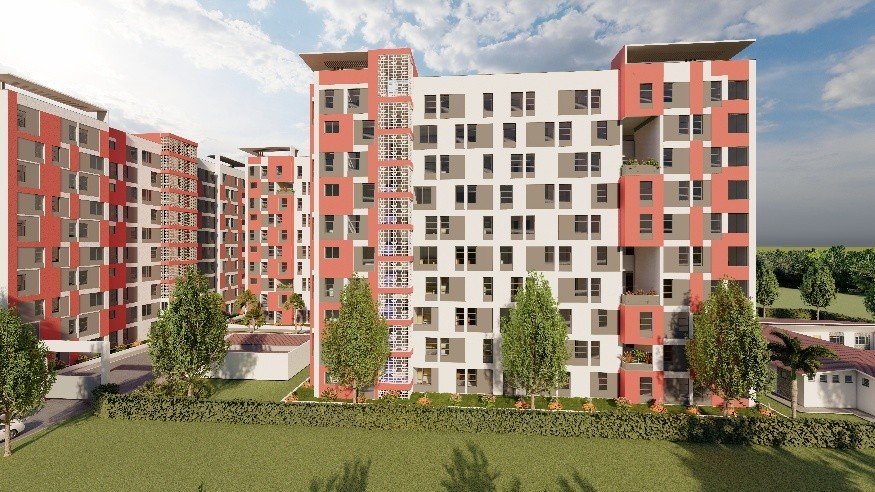
Here’s a clear, step-by-step guide on how to own a home through Boma Yangu:
Step 1: Register on the Boma Yangu Portal
Visit the official Boma Yangu website (www.bomayangu.go.ke).
To register, you need:
- A valid Kenyan National ID
- A KRA PIN
- An active mobile phone number (registered in your name)
You will:
- Create an account
- Fill in personal details (income level, employment status, marital status, etc.)
- Verify your phone number via OTP (one-time password)
Once registered, you become eligible to apply for available housing projects.
Step 2: Start Saving (Housing Levy Contribution)
Under the Affordable Housing Programme, formally employed Kenyans contribute 1.5% of their gross salary through the housing levy. Employers match this with another 1.5%.
If you are self-employed or in the informal sector, you can make voluntary contributions through:
- M-Pesa
- Bank deposit
- Standing order
These contributions go into your housing savings account and increase your chances of allocation.
Why this matters:
- Savings determine eligibility tier
- The more consistent your contributions, the higher your priority during allocation
Step 3: Choose a Housing Project
Log into your Boma Yangu account and browse available projects across the country.
Projects are categorised by income levels:
- Social Housing – For very low-income earners
- Affordable Housing – For low-income earners
- Middle-Income Housing – For moderate-income earners
You can view:
- Location
- House type (studio, 1-bedroom, 2-bedroom, 3-bedroom)
- Estimated price
- Construction progress
Select your preferred unit and apply.
Step 4: Allocation Process
Allocation is done transparently through:
- Balloting (when demand exceeds supply)
- Priority scoring based on savings and consistency
If successful:
- You receive a notification via SMS/email
- You are issued with an offer letter
You will then confirm acceptance within the stipulated period.
Step 5: Financing Your Home
Once allocated a unit, you can finance it through:
1. Mortgage
Partner banks and SACCOs provide long-term mortgages (up to 25 years in some cases).
2. Tenant Purchase Scheme (TPS)
You move into the house and pay monthly instalments similar to rent until you complete payment.
3. Outright Cash Purchase
If financially able, you can pay in full.
The government works with financial institutions to offer competitive rates compared to commercial mortgages.
Step 6: Signing Agreement and Moving In
After financing is approved:
- You sign a sale agreement
- Complete legal documentation
- Receive keys upon payment confirmation
- Title processing follows according to programme structure
You officially become a homeowner.
How much does it cost?
Prices vary depending on location and unit size, but generally:
- Studio: Approx. KSh 600,000 – 1 million
- 1-bedroom: Approx. KSh 1 – 2 million
- 2-bedroom: Approx. KSh 2 – 3.5 million
- 3-bedroom: Approx. KSh 3.5 – 5 million
Monthly payments under TPS can range from KSh 3,000 to KSh 20,000+ depending on the unit.
Who qualifies?
To qualify you must:
- Be a Kenyan citizen (18+ years)
- Have a valid ID and KRA PIN
- Be registered on Boma Yangu
- Be making housing contributions
- Not own another home under the programme
Priority is often given to:
- First-time homeowners
- Consistent contributors
- Lower-income earners
Key things to know
- Allocation is not first-come-first-served — it is structured.
- Savings improve your chances.
- You can track your contributions online.
- Projects are ongoing nationwide, including Nairobi, Mombasa, Kisumu and other counties.
A structured path to ownership
The Boma Yangu initiative is designed to formalise and simplify access to home ownership. Through structured registration, consistent savings, transparent allocation and affordable financing, the programme seeks to bridge Kenya’s housing deficit and expand access to decent housing.
For many Kenyans, the process represents not just a housing opportunity, but a long-term investment in financial security and stability.


They are good
I want a house in vok to apply for where I can afford 2000 per month