
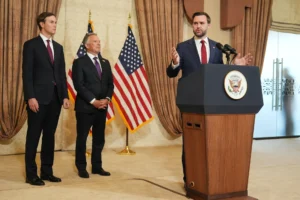


U.S. President Donald Trump has announced a two-week ceasefire agreement with Iran, a move expected to ease escalating tensions and reopen one of the world’s most critical oil transit routes.
The deal, unveiled on April 7, comes amid growing global concern over disruptions in energy supply caused by conflict in the Middle East. Central to the agreement is the reopening of the Strait of Hormuz, a key channel for global oil shipments that had been affected by the standoff.
How the ceasefire deal was brokered
According to Trump, the breakthrough followed high-level diplomatic engagement involving regional leaders, including Pakistan’s Prime Minister Shehbaz Sharif and military chief Asim Munir, who urged both sides to de-escalate.
Under the terms of the agreement, the United States will suspend military action for a period of two weeks. In return, Iran has committed to reopening the Strait of Hormuz and ensuring safe passage for international shipping.
Iran’s Foreign Minister Seyed Abbas Araghchi indicated that Tehran would halt defensive operations if U.S. strikes cease, signaling cautious optimism for the temporary truce.
Why the Strait of Hormuz is critical
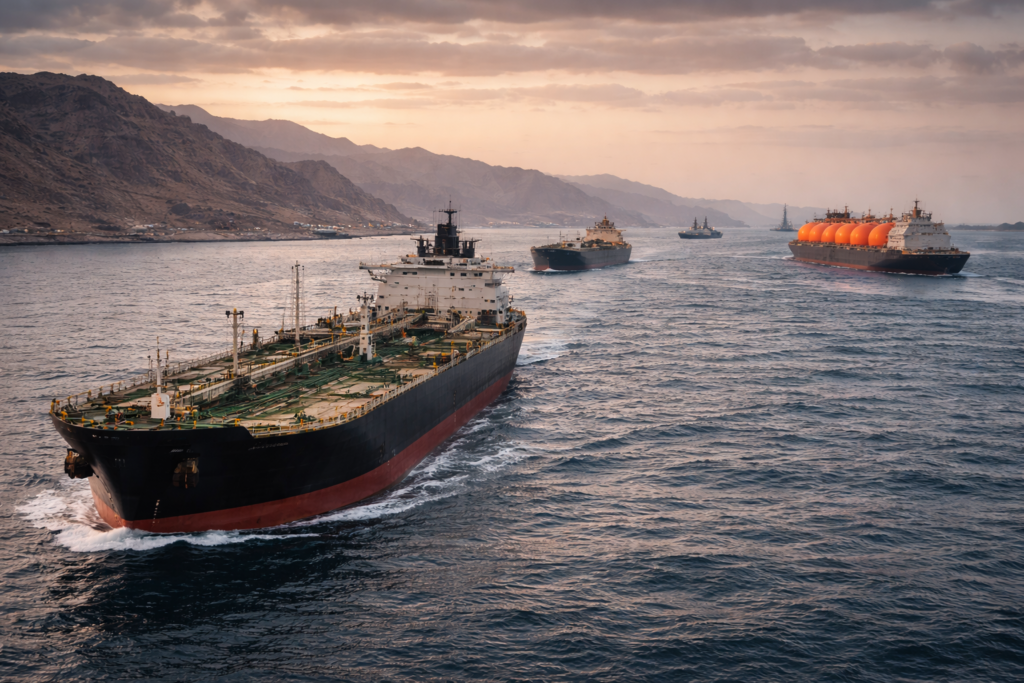
The Strait of Hormuz plays a central role in the global energy system, acting as a major corridor for oil exports from the Persian Gulf to international markets.
Recent disruptions in the waterway had triggered spikes in oil prices and heightened fears of prolonged supply shortages. The reopening of the route is expected to calm markets and restore some stability to global fuel supply chains.
Analysts say even a short-term ceasefire could provide relief to economies heavily dependent on imported fuel, while also creating room for further diplomatic negotiations.
Kenya among countries feeling the pressure
The impact of the conflict has been felt far beyond the Middle East, with countries like Kenya experiencing ripple effects in the energy sector.
Fuel shortages and uncertainty led to increased transport costs, with fares rising sharply in some areas. In Nakuru, for instance, matatu fares to Nairobi surged as supply constraints took hold.
The crisis also sparked scrutiny within Kenya’s energy sector, with officials at the Energy and Petroleum Regulatory Authority and Kenya Pipeline Company facing questions over supply management during the disruption.
As the ceasefire takes effect, attention is now shifting to whether the temporary agreement can pave the way for a longer-term resolution and prevent future shocks to global energy markets.