



Kenya is developing a system to bring together information on pregnancies among schoolgirls and sexual offences against learners, in an effort to close a gap between education records and the agencies responsible for protecting children.
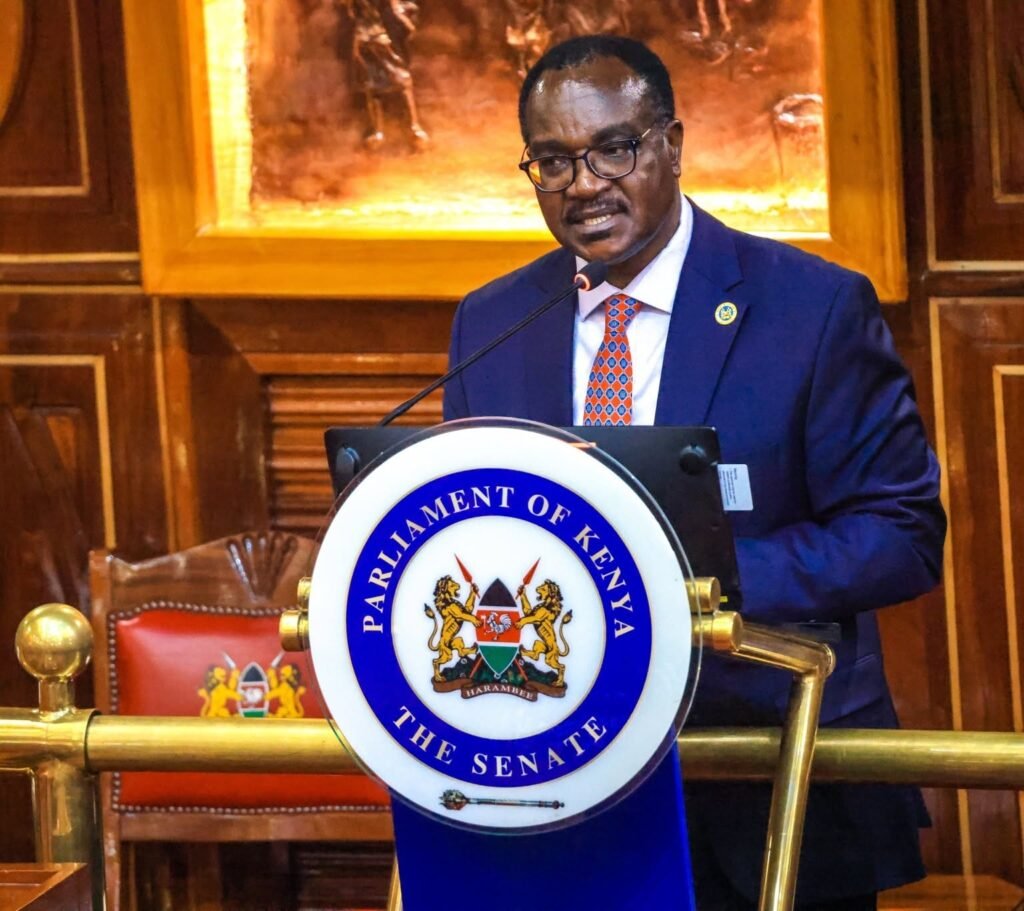
Education Cabinet Secretary Julius Ogamba told the Senate on Wednesday, October 7, that the ministry currently lacks a comprehensive information management framework to consolidate reported learner pregnancies and information on those responsible.
The proposed approach would improve data sharing between education authorities and other government agencies, giving officials a clearer picture of affected learners and the action taken in their cases.
The challenge extends beyond counting pregnancies. It also concerns whether girls remain in education, whether teenage mothers return to school and whether reported sexual offences reach the relevant authorities.
What senators wanted to know
Nominated Senator Catherine Mumma sought detailed information on pregnancies among learners, including county breakdowns, cases involving teachers and successful prosecutions.
She also asked about teenage mothers who had returned to school and the support available to those still outside the education system.
Ogamba acknowledged that the ministry does not have comprehensive, disaggregated figures showing how many affected learners have dropped out, resumed their education or remained out of school. He said the Kenya Education Management Information System, known as KEMIS, is being designed to capture information on learner pregnancies going forward.
That distinction matters. A policy allowing girls to return to class needs a reliable way to establish whether they actually do.
Why national pregnancy figures cannot answer every question
According to Ogamba’s remarks as reported by The Star, health-sector records showed 110,821 pregnancies among adolescents aged 10–19 in the first five months of 2023. These included 6,110 among girls aged 10–14 and 104,711 among those aged 15–19.
However, he stressed that these were general population health statistics, rather than figures specifically identifying learners within the education system.
They therefore cannot, on their own, establish how many schoolgirls became pregnant or how many subsequently left school.
Connecting education and health information could help authorities identify where support is needed. Tracking reported offences would require additional information from disciplinary and criminal justice processes.
Bringing schools and justice agencies together
Ogamba said tracking cases requires coordination involving the Ministry of Education, the Teachers Service Commission, police, the Office of the Director of Public Prosecutions and the Judiciary.
He also identified weaknesses in school reporting, including reluctance by some heads to disclose cases because of concerns about their institutions’ reputations.
A connected system could help distinguish a reported allegation from a disciplinary finding or criminal conviction. These are different stages, and accurate records should show what action has been taken without treating an accusation as proof of guilt.
For child protection, the practical objective is continuity: a learner’s case should receive appropriate follow-up as it moves between institutions.
A return to school requires more than permission
Kenya already has National Guidelines for School Re-entry in Early Learning and Basic Education, developed in 2020. They provide a framework for supporting learners who leave school for reasons including pregnancy, gender-based violence and other circumstances, with an emphasis on retention and completion.
Ogamba told senators that teenage mothers should be readmitted unconditionally. Where stigma makes returning to their former school difficult, they should be enrolled elsewhere.
But he acknowledged barriers including financial difficulties, childcare responsibilities, family rejection and uneven understanding of the re-entry policy.
The proposed data reforms offer an opportunity to make existing protections more effective. Better records could help identify girls who need support and establish whether interventions are working.
The next measure of progress will be implementation: a functioning system, consistent reporting and more affected learners able to continue and complete their education.


