
The redevelopment of Thika Stadium is set to give Kenya’s young athletes a modern platform to train, compete and develop their talent as the country moves to strengthen its sports infrastructure.
Dr Raymond Omollo, the Principal Secretary for Internal Security and National Administration, said investment in modern sports facilities was critical to unlocking the potential of Kenya’s youthful population.
“Investing in modern sports infrastructure is essential to unlocking the immense potential of Kenya’s youthful talent and sustaining the country’s growing stature as a global sporting powerhouse,” Omollo said.
For years, he noted, critical sports facilities across the country had received limited investment, restricting opportunities for athletes to access quality training and competition facilities.
“For many years, however, critical facilities received little investment, limiting opportunities for athletes to train and compete at the highest level,” he said.
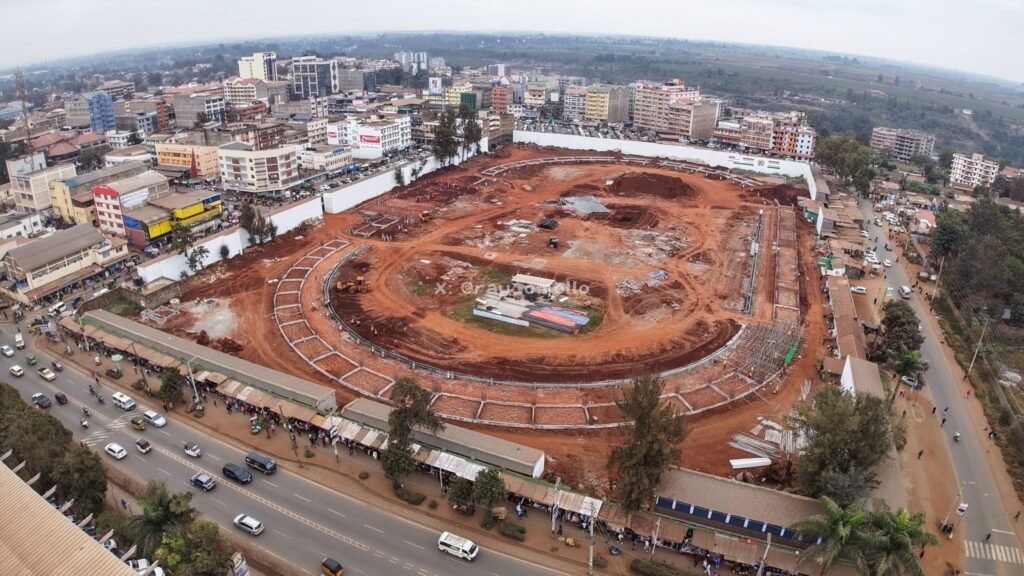
Thika Stadium gets major facelift
The ongoing redevelopment of Thika Stadium is now changing the outlook of the facility, turning what had been a neglected sporting ground into a modern complex designed to serve athletes and the wider community.
Omollo said the project would create a facility capable of supporting both elite and grassroots sports.
“The ongoing redevelopment of Thika Stadium is reversing that trend, transforming a once-neglected facility into a modern sports complex that will nurture talent, inspire communities and stimulate local economic growth,” he said.
The project is being undertaken by the Kenya Defence Forces (KDF) and is expected to be completed before December 2026.
Once completed, the facility will accommodate 10,000 spectators and meet international standards for major sporting events.
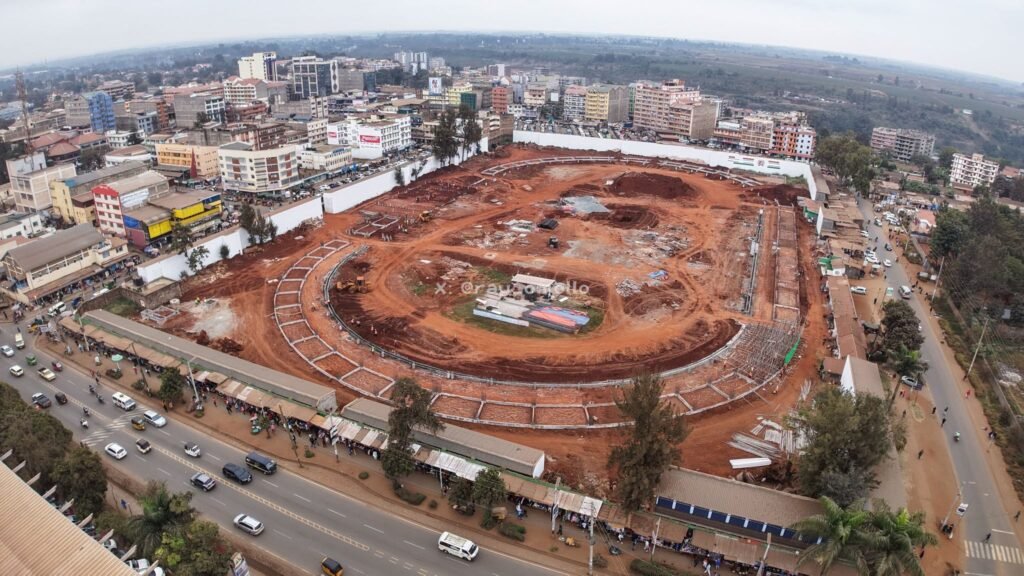
Stadium to feature FIFA-standard pitch
According to Omollo, the upgraded stadium will offer a range of facilities covering several sporting disciplines.
“The project, which is being undertaken by the Kenya Defence Forces (KDF) and is on course for completion before December 2026, will deliver a 10,000-seater international-standard stadium,” he said.
The complex will include a FIFA-standard football pitch, an eight-lane athletics track, modern changing rooms and high-intensity floodlights.
It will also have a basketball court and swimming pool, expanding the range of sporting activities that can take place at the facility.
Omollo said the combination of facilities would position Thika as an important sports and recreation centre.
“The upgraded facility will feature a FIFA-standard football pitch, an eight-lane athletics track, modern changing rooms, high-intensity floodlights, a basketball court and a swimming pool, positioning Thika as a premier destination for sports and recreation,” he said.
Project creates jobs and supports local businesses
Beyond sports, the redevelopment is already generating economic opportunities for people living around Thika.
Omollo said hundreds of young people were benefiting from employment opportunities created by the construction works.
“The project is already creating employment for hundreds of young people,” he said.
He added that local businesses were also benefiting as contractors procure construction materials and services needed for the project.
“It is supporting local businesses through the procurement of construction materials and services,” Omollo said.
The project is also expected to create a platform where young athletes can develop their skills and compete in regional sporting events.
“It is providing a long-awaited platform for grassroots talent development and regional competitions,” he said.
Government coordination to support project delivery
The State Department for Internal Security and National Administration is also playing a role in ensuring the project progresses smoothly.
Omollo said the department was coordinating government agencies involved in strategic national projects while maintaining a secure environment for their implementation.
“The State Department for Internal Security and National Administration continues to facilitate the smooth implementation of strategic national projects by coordinating government agencies, maintaining a secure operating environment and fostering collaboration with local communities,” he said.
He said such coordination was important in ensuring that major public investments deliver their intended benefits.
“Transformative investments such as the Thika Stadium redevelopment are delivered efficiently and for the benefit of the public,” Omollo said.
Once completed, the facility is expected to provide athletes with better training and competition conditions while giving residents access to modern sporting and recreational facilities.
For Kenya’s young sporting talent, the redevelopment represents more than a new stadium. It is part of a broader effort to create infrastructure capable of supporting athletes from grassroots level through to international competition.


