
A silent crisis is unfolding across the country—and it is claiming thousands of lives each year.
New data from the Kenya Network of Cancer Organisations reveals that more than 29,000 Kenyans die annually from cancer, with at least 44,700 new cases reported every year. But behind these numbers lies a deeper, more troubling reality: for many patients, the battle is not just against the disease, but against the cost of staying alive.
The Numbers May Be Worse Than They Look
According to KENCO Executive Director Phoebe Ongadi, the official figures may only tell part of the story.
She warned that gaps in data collection and underreporting could mean the actual burden is significantly higher. Speaking before Parliament, Ongadi urged the government to strengthen Kenya’s cancer registry to better inform policy and planning.
Without accurate data, experts say, the country risks underestimating a crisis that is already overwhelming families and healthcare systems.
When Treatment Becomes a Financial Crisis
For most patients, cancer treatment in Kenya is not just expensive—it is devastating.
KENCO reports that over 60 percent of patients exhaust their Social Health Authority (SHA) coverage before the financial year ends. For 35 percent, benefits run out within just three months. Others are forced to stop treatment entirely.
On average, families spend about Sh3.8 million annually on cancer care, covering chemotherapy, radiotherapy, surgeries, and follow-ups. For many households, that cost is simply impossible to sustain.
Patients have described the system as unpredictable, with delays in approvals and unclear benefit limits under the SHA programme adding to their stress.
Early Exposure, Late Diagnosis
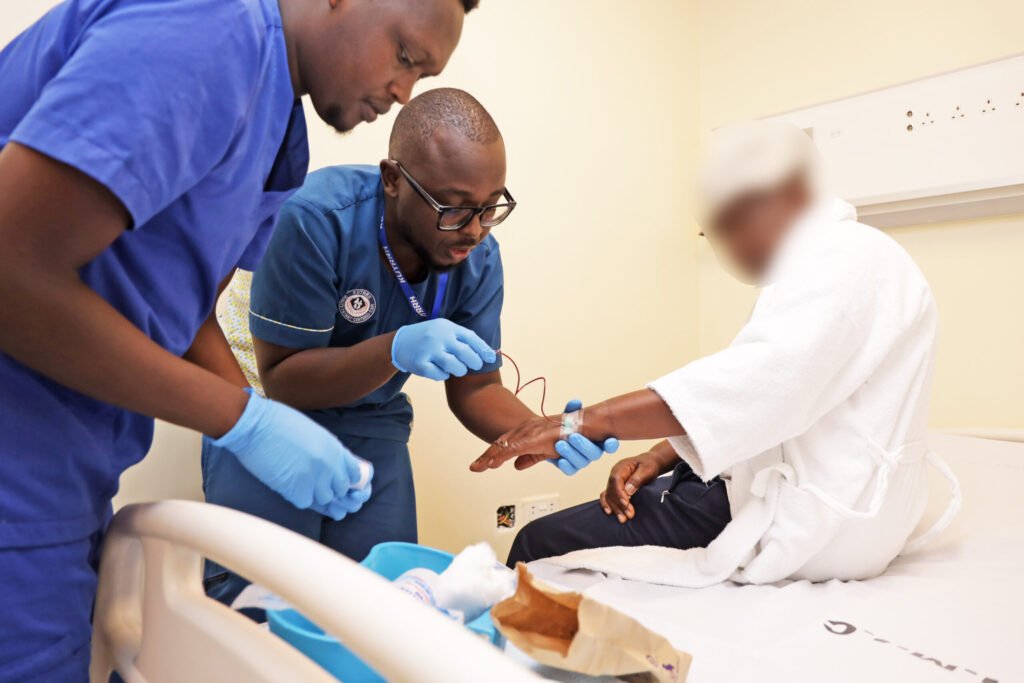
Health experts say the crisis is worsened by late diagnosis.
Limited screening services, especially in rural areas, mean many patients only seek treatment when the disease has already advanced. At that stage, care becomes more complex, more expensive, and less effective.
Urban pollution, lifestyle changes, and lack of awareness are also contributing to rising cancer cases, placing further strain on an already stretched healthcare system.
System Gains, But Gaps Remain
In response to growing pressure, Health Cabinet Secretary Aden Duale has outlined reforms under the Social Health Authority.
The government says at least 140 facilities have been accredited to offer cancer care, spanning public, private, and faith-based institutions. More than 33,000 patients have reportedly accessed treatment under the programme.
Additionally, billions of shillings have been paid out in cancer-related claims, with authorities removing limits on treatment cycles within the annual cap.
But patient advocates argue that access on paper does not always translate to care in reality.
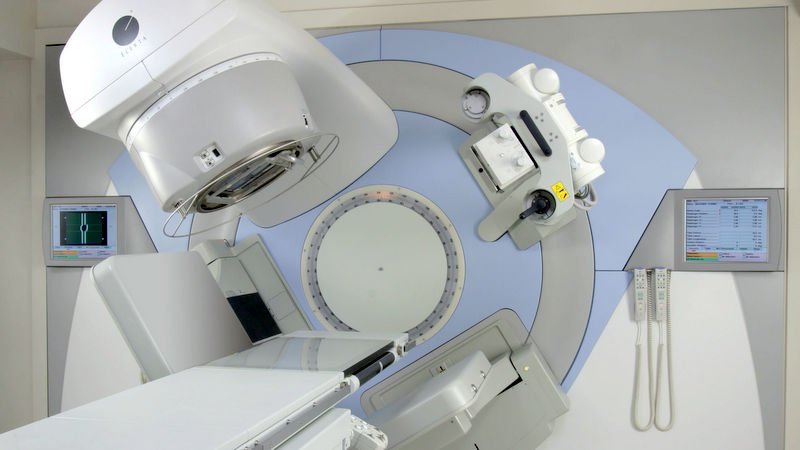
Many facilities lack essential equipment, while others still require out-of-pocket payments that patients cannot afford. For those in remote areas, travel costs and long waiting times remain major barriers.
The Human Cost Behind the Statistics
Beyond the policy debates and statistics are real lives being disrupted.
Families are selling land, taking loans, and pulling children out of school to cover treatment costs. Some patients abandon care midway—not because medicine failed, but because money ran out.
Survivors often carry not just physical scars, but financial ones that last for years.
What to Watch Going Forward
As Kenya confronts its cancer burden, several key issues will shape the country’s response:
- Expansion of affordable screening and early detection services
- Increased funding and clarity within the SHA programme
- Investment in cancer treatment infrastructure beyond major cities
- Inclusion of more drugs in the essential medicines list
- Stronger public-private partnerships to reduce patient costs
Experts say without urgent, coordinated action, the gap between diagnosis and treatment will continue to widen.
Cancer, they warn, should not be a death sentence—or a financial catastrophe.

