
Media stakeholders have renewed calls for urgent legal reforms to better protect journalists and whistleblowers, warning that increasing threats, intimidation, and legal pressure are weakening efforts to expose corruption.
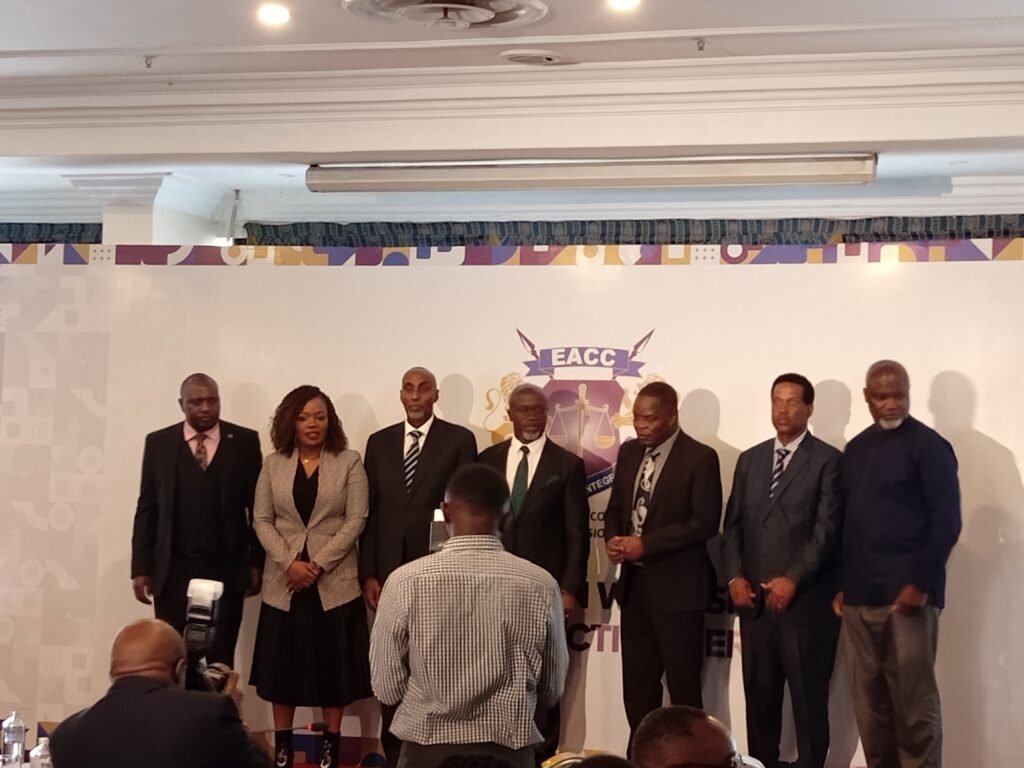
Speaking at an anti-corruption workshop held in Nairobi, industry leaders said the current environment remains hostile for investigative reporting, with journalists and their sources facing growing risks despite acting in the public interest.
Rising threats and legal intimidation
Zubeida Kananu, president of the Kenya Editors Guild, noted that although collaboration between the media and the Ethics and Anti-Corruption Commission has improved, significant legal and safety gaps persist.
She said journalists are increasingly being targeted through strategic lawsuits aimed at silencing critical reporting.
“We are seeing more cases where powerful individuals use the courts to entangle journalists in costly legal battles even before stories are published,” she said.
Kananu stressed the need for a legal framework that shields both reporters and whistleblowers, arguing that no one should have to risk their safety to expose wrongdoing.
Call for stronger collaboration and accountability
Churchill Otieno, president of the Africa Editors Forum, echoed the concerns, warning that corruption is becoming more organised and sophisticated.
“Corruption is evolving fast—it is coordinated, well-structured, and increasingly bold,” he said, urging journalists and investigative bodies to strengthen their collaboration.
Otieno challenged the media to deepen investigative work and avoid reactive reporting driven by headlines, calling for more in-depth and courageous journalism.
Need for institutional support and access to information
David Omwoyo, CEO of the Media Council of Kenya, emphasised that institutions must play a more active role in protecting journalists and facilitating access to information.
“We cannot expect journalists to expose corruption if we do not guarantee their protection,” he said.
Omwoyo also criticised public institutions for withholding information, noting that such practices undermine accountability and hinder investigative efforts.
Emerging digital threats complicate reporting
Participants at the forum also raised alarm over emerging digital risks, including the misuse of artificial intelligence, deepfakes, and coordinated online smear campaigns designed to discredit journalists.
Kananu warned that these tactics are increasingly being used to erode public trust even before factual reporting is published, calling for stronger technical cooperation between media houses and investigative agencies.
As pressure mounts for reform, stakeholders maintained that strengthening legal protections will be essential in safeguarding independent journalism and advancing Kenya’s anti-corruption efforts.

